The Nigerian Woman- Legacies

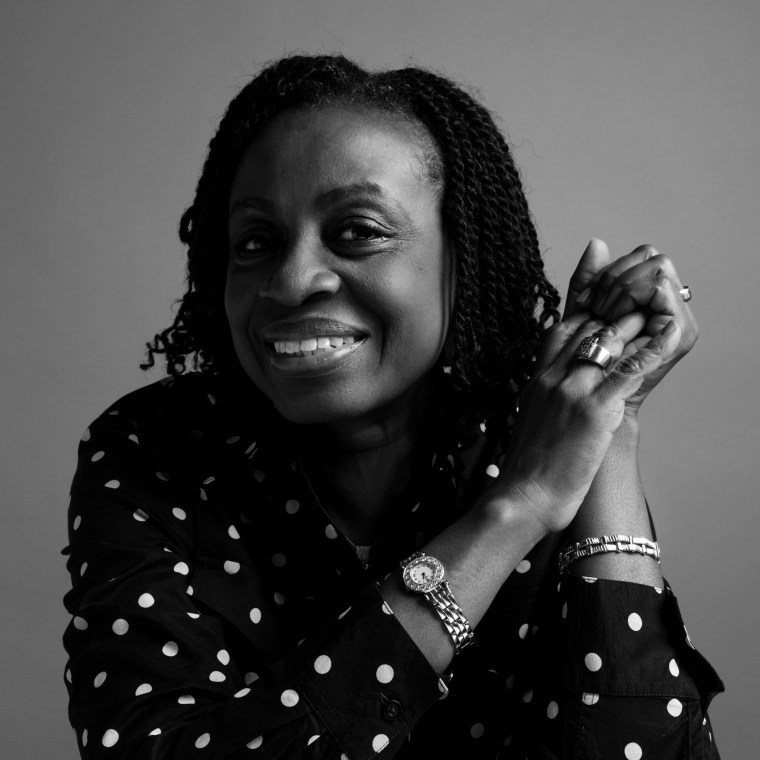
Ezi Odozor

Hi guys!

I would like to introduce this amazing woman to you! I met Ezi when I was in first year and my friend dragged me to an NSA event. She started the group and was president at the time. It’s a little crazy how three years later I was chosen to continue a legacy she had put in place. I remember thinking she was so cool and important then and its funny how that impression hasn’t changed at all even with time. Reading her post was really special for me because I felt it really spoke to the deep cultural ties that many Nigerian women can relate to. I know that you would enjoy reading this just as much as I did :)!Ezi The Nigerian Woman

Who are you (What are the things that make up your identity, likes, interests, quirks)?

My name is Ezinwanne Toochukwu Odozor—Ezi for short. I’m a graduate of the University of Toronto. I double majored in English and in Human Biology, specifically in Global Health.

Writing is my medium for expression—whether poetry, stories, essays or music.

Global Health is a field that allows me to be myself: to be passionate, to be an advocate, to write, to think, and to create. I specifically am working on getting into the field and focusing on child and maternal populations.

In my life I’ve been a counselor, a student service representative, a program coordinator for a medical residency program, an Executive Board Member and Unit President of a large Employee Union at a major University, a friend, a writer, a lover, a singer, a terrible saxophonist, a jewelry maker, and a goof.

I have been many things, but I think the core part of who I am is tied to my name. Ezinwanne means the good sibling, or neighbour.

In everything I’ve done, I’ve looked to support others and to really explore the human condition—whether through art, academia, or advocacy. That is who I am, I suppose.

What do you feel being a Nigerian woman means?

Huge question. It means being a woman, an African woman, in a world that will not readily recognize you. In a country blessed by every excellence of the natural world, but stressed by a colonial history. It means that you will add colour to the life of people around you. It means that whether Edo, Igbo, Hausa, Yoruba, or Tiv you will be born into a tradition of strength and will have the job of passing that strength on to others. It means that you will have to bear much and it will be a beautiful struggle. It means that you will have a network of sisters who will laugh and cry with you, but who will also make you shine your eyes on occasion.

It is hard to say what being a Nigerian woman means. It is a thing that you feel in your core and when you look at your sister, you just know she feels it too. That’s what I think at least.

Has your identity as a Nigerian ever been questioned? Why and how did you respond?

Definitely it has been: by friends, by strangers, by lovers.

I was born in Nigeria, but I came here when I was nearly two years old. Ever the busy body, I was walking, speaking fluently—in Igbo mind you—and, by all reports, causing all kinds of mischief.

When people ask me where I’m from, I say Nigeria. Inevitably they’ll ask when I came to Canada. When I say 1992 they smile and say, “Oh” or “You’re Canadian then,” as if this would undue my dual citizenship and safely place me in a plane of being that they could easily digest; that I must be one or the other. My response is to force a smile and say, “No I’m Nigerian.” I am Canadian too it’s true, but it is my Nigerian identity that has in great part added colour and flavour to my understanding of myself.

At 24, I still speak Igbo and understand it fluently. I’ve passed the test of the aunties: I can cook our many flavoured dishes, I know my tradition well, and I can tie a mean ichafu (headscarf for my Oyingbos; gele for my Yorubas).

My parents never let any of us children—whether born here or not—forget where we come from. They made sure we went to cultural events and meetings and sat us down many a night to remind us of our cultural duties. I am grateful for this. Igbos are a very strong, traditionally grounded people in general. As an academic in the field of African Literature (Postcolonial studies, literatures, etc) my Father in particular played a great role in fostering a connection to our Nigerianess.

Being Nigerian is more than a location and more than the number of years you spent steeping in one place or another.

I wrote a response for the Guardian on the topic of migration actually. They abridged it a bit. Read the full thing here

When did you become conscious of your identity as a Nigerian woman?

I’ve always been conscious of it. I’ve always been conscious of the fact that I’m female and of the fact that I’m Nigerian and of the intersection of the two. My consciousness of it as a young child was definitely not so ideological and intellectually developed as my consciousness of it is now, but I always aware of it. In the Igbo tradition as the ada of my Kindred—that is the first girl of my kindred, not just of my immediate family—there is a responsibility that comes with that, and so it’s a formal part of my consciousness. Again, my family respects the traditions of my people and so this is an important part of that.

What is your vision for Nigerian women?

I think we need more cohesion. I’m a supporter of group empowerment and cohesive competition—words abi? What I mean is that the group should gather together to push its members higher; not always by agreeing, but always by supporting, and by seeking each other out, such that no one feels alone in their quest. Empirically, there are way too many Nigerians for any of us to be feeling isolated or unsupported.  We also need to be more visible in our strength. Too often are we ready to bow and bend and appease. There are far too many Nigerian women achieving the impossible and yet, where are their collective stories? We cannot wait for others to sing for us. A Nigerian-feminist force would be a powerful one if developed into a movement. What would the west do without us—women and men of Africa, of Nigeria. If we realized our greatness as a collective, as women in particular, we would unstoppable. What a beautiful thought really.

Who is a Nigerian woman in your life who inspires you?

My mom. Perhaps that is cliché, but if you knew her it’d be undeniable that she is a beautiful force. The things she has been through; the things she does for people. All of them are gorgeously handled. She keeps telling us that when she retires she’ll become a lawyer. She’s tireless. She is a builder of people and of ideas. I enjoy hearing about the new programs that she brings into her school board to help the Children she teaches, especially the things she does to empower the special needs children. She doesn’t allow anyone to tell them that they are incapable, she believes that there is a way for everyone to come into their greatness. Whether they are market women or managers, Nigerian women have a kind of perseverance that is enviable.

Where can people find you and your work?

www.echoolibrary.wordpress.com

The Nigerian Woman: Unfinished

You thought it was done?

my girls

I know it has been more than a few weeks since I put up a Nigerian woman post but I am far from through with this series. When I started I wasn’t sure what I wanted to achieve by asking for these stories. All I knew when I started out was that I wanted stories and I wanted this to be an experience that was beneficial for the writer. I wanted it to be something that causes the writer to think more about themselves. At no point did I think that this would cause me to think more about myself and how I understand my identity as a Nigerian woman. (yes I realize I just called myself a woman and not a girl but I will address this later). Reading through the posts I have received, even the ones I am yet to share, I hear so many of my own thoughts echoed through the experiences of other women. When I read the stories of women in my family and I felt the same things I could attribute it to having shared experiences and while I share something with everyone I’ve asked to post so far, there is a surreal feeling reading the thoughts and perspectives that I have received so far.

I am truly grateful for all who have shared their stories with me and I can’t wait to continue sharing more stories.

Picture by Willyverse

Transit Thoughts

Thoughts I have while I commute

Transit ThoughtsHi Guys!

So I’ve thought long and hard about what my next post should be and I decided it should be about thinking. Trust me this wasn’t a lazy conclusion (okay maybe just a little bit) but you know how people always talk about the deep reflective moments they have in the shower, I thought I should give a little love to the deep reflections I have when I’m on the subway.

First of all I think there are 5 types of transit users; the people who read, the music listeners, the ad watchers, the people watchers and the sleepers. Clearly from this assessment I’m a people watcher. I observe subway interactions, and for the few stops where the subway goes above ground, I observe people outside and make up little stories about their lives. For example if you’re in the GTA you’ve probably gone past Old Mill station. There’s a lake that runs below and sometimes you’d see people in boats fishing. I always imagine that the people in the boats are having some really deep introspective conversation because those are the kind of talks you have on a lake really.

Anyhow, my thoughts usually begin once I enter the station. “The germs that are just thriving on the railings and door handles“, “What if the transit collector doesn’t see me put in my token and decides to make a scene? Then I’d look him/her square in the face and fight back. But what if they call the police cause they don’t believe me?” Of course this doesn’t happen so I proceed to the platform. “I hope the train isn’t full“, “I hope more people don’t get here before the train comes so it wouldn’t be full“-the train comes and its full-“I hope someone gets off soon“.

In the midst of these thoughts I have some major pet peeves though. First of all if I have to stand on the train then so be it but if someone leaves, I don’t see any real reason why I shouldn’t sit. Now of course there are times when you may really just not feel like sitting but brother why are you blocking the chair?! Are you saving the seat for your imaginary friend? Please if you’re not interested in sitting, let someone else access the seat. Thank you! My second pet peeve is really just something that gives me unnecessary anxiety. When an older person gets on the streetcar, my expectation is that they should sit as quickly as possible, especially when there are several available seats close to the entrance because once the streetcar moves you run the risk of falling but NO! some people would decide to walk past all the available seats till the streetcar starts moving then they start scrambling for a seat which would usually end up being the seat of someone who doesn’t want them to fall or the seat next to somebody. This point segues to my next issue, the people who sit next to you in a streetcar or train with several empty seats -_-. Maybe it’s just the need for human contact but seriously?!! in an empty streetcar the only seat you wanted was the one next to me?

I think of many other things when I’m in transit, where my fellow passengers are going, what their lives are like, what they must be thinking as they ride on, what they’re listening to, if they’re enjoying what they’re reading, why eye contact on the subway is so creepy, what crazy event could happen on my way to where I’m going and so many other things. Like I said, transit thoughts feel a lot like bathroom thoughts just with live characters driving them.

I’d really like to hear what thoughts other people have when they’re on the bus or streetcar or train or even in your car.

Never forget

Encouragement for job-seekers

Hey guys!

never forget grey's anatomy

So lately I’ve been looking for a job. I found this picture super funny because this is literally how I feel every time I apply for a job and plus I’m re-watching Grey’s Anatomy so it just seemed even funnier. The reality of things though is that there are days I get frustrated and I’m sure anybody who is job hunting or has done so before knows what I mean. For one, the idea that my resume is supposed to be an accurate representation of my skills and abilities still doesn’t make any sense to me. There may be so many things that make me perfect for a particular position or work environment but how do you communicate that in your one page resume?

Then of course there are the thousands of articles and people telling you how to get a job and even though you keep trying those things it just doesn’t seem to work as easily as they make you think it would. You know it wouldn’t be all sunshine and rainbows but sometimes you just want to not have to deal with all of it for a bit. Oh and lest I forget the anxiety you feel when somebody views your linkedin profile…ANONYMOUSLY!!!! What’s that even about? Is this someone I’ve applied to or is this someone creeping on my profile?

From time to time you would have little glimmers of hope that would encourage you to keep applying but the rejection might get a little overwhelming on other days. On those days when you’re feeling low, remember these things.

1) You earned your degree. More than the finances that went in, you put time, sleepless nights, tears and anxiety into that degree and nobody can take that away from you

2) When people try to offer you peanuts as your salary remember how much you invested into your education. This is time for you to get a return on said investment so anything less than the fees you paid is the economy’s attempt at short-changing you.

3) The company put up an ad! They need you more than you need them if you ask me. Especially somebody as talented and as brilliant as you! So don’t let anybody make you feel like they own you; because you were minding your business when they cried out to the world for help. You were kind enough to let them know how amazing you are so don’t let them take that for granted.

4) Your future is so bright! Its okay for these people to sleep on you right now because someday you’ll be so successful that they would wish they were part of your story.

For all my fellow job-seekers outchea keep your head up 🙂 all things work together for the good of them that love Him

ps. for all my Canadians, Happy Thanksgiving!!!

The Nigerian Woman| Powerful

Busola Olukoya

Busola-Begin

Hi Guys!!

I’m not going to waste any time on this introduction, this post blew me away!!! Her attention to detail, the way she spoke words straight from my heart and she says it all so well!! I’ve known Busola since we were in Jss2 and watching her grow and mature into this beautiful human being has been such a privilege. Like I said not going to bore you with much of an intro, enjoy!

Who are you (What are the things that make up your identity, likes, interests, quirks)

My name is Olubusola Onyedikachi Olukoya and I’m Catholic. While growing up with two sisters in an Igbo-Yoruba household, our parents never made us feel like we were less of either tribe. Despite many distrusting comments from extended family members on either side, we were taught to eat both Yoruba and Igbo variations of Egusi soup, without much preference for one over the other. Thus, I feel that I am Busola as equally as I am Dikachi. My religion, however, is not as fluid. I am Catholic. This was the only identity I could claim in its entirety while growing up, and it has been my anchor.

My parents also tried to expose us to many different environments so that we would know a little bit about everything. Conversations in our home ranged from sports like tennis and golf, to medicine, politics, spirituality, literature and fashion. I took piano lessons at the Muson Centre for a year before stopping. I learned to play golf but never got a handicap. I learned to swim but I never went through speed or endurance training. I learned to learn and to enjoy learning. In this way, I am a dabbler of sorts. I took up knitting in college, I own a gorgeous sewing machine, and I write unfinished poetry on slips of paper that I can never find afterwards. I am the queen of incomplete projects, and I’m realising that I’m okay with that.

What does it mean to you, to identify as a Nigerian woman?

When I think of Nigerian women, I think of my mother, my aunties and my grandmothers. And, when I think of these women, I think of a patriarchal system that has deep roots in our cultural history and awareness. I think of a culture of silence, endurance, sacrifice and the glaring ostracization of outcasts. There are things that are never in a woman’s place to say or do. I was always told to “eat the shit given with a smile on your face” and to “remember that you are a woman”. Something about these constant reminders of my place in society made me never want to be a part of it.

Similarly, while growing up, I was never exposed to an alternative narrative of my cultural heritage. Each side of the family mocked me for not being enough of one tribe. I quickly grew to hate the word hybrid and, while doing so, I created an identity for myself that was stripped of any cultural affiliation. By late adolescence, I had taught myself to fit in just enough to be passable – dropping kini’s and chai’s, depending on the listener – yet I wanted to stand out enough to seem above being either one or the other. I wanted to be just enough of me for my own sake.

In my naivete, I aspired to be American. From afar, it seemed to be the only nation that took pride in celebrating diversity; advocating against the binary system of human expression which I had experienced growing up. Now, I know that there is no such nation, and am learning to build a nation for myself in the cells of my own body.

Lately, while pondering my response to this question, I realized that time and experience had altered my perception of the Nigerian woman. While in the diaspora, I have been exposed to the inherent diversity of any single identity. There is a plethora of narratives of Nigerian people with both similar and differing experiences to mine. The realization that there is not one single definition of a Nigerian woman, coupled with the rising vocalization of the harsh reality of being a woman in any patriarchal society, has made it more comfortable for me to claim this identity. I have come to believe that one’s identity lies in the connection to one’s history. Thus, I am a Nigerian woman because of the identity conferred on me by the line of women before me — from which arises the history that I will pass on to the women I will raise in my lifetime.

When did you become most conscious of your identity as a Nigerian woman?

It wasn’t until I moved to the states for college that I started thinking of myself as a Nigerian woman. As one of three Nigerians at a small liberal arts college in the middle of nowhere, Ohio, I realized that my narrative was the only representation of a Nigerian woman that some of my friends would ever receive. This forced me to re-examine the traits I thought made me “Nigerian” and to consider the many ways those traits would be interpreted — and misinterpreted — in my ambassadorship. I found myself learning to braid my own hair, wearing prints to church (unlike I had previously detested doing), and falling in love with the many ways of recreating the meals that I never imagined I would miss. My best friends at college learned to see sha and abi as essential conversational tools, and I discovered a love for learning the history of my culture and my people as represented in literature.

What challenges do you face in the perceptions of your identity?

I’m most worried about people mistaking my single story for a representation of all Nigerian women, or of all African women. I realize, now, that this is unavoidable, as a majority of the inhabitants of the world choose to remain ignorant about global affairs, and the media is unrepentant in its perpetuation of saving Africa. I think that the only way to rise against this challenge is to be fully and unapologetically myself, without trying to conform to a narrative that seems more glamorous on Instagram. To do this, I know I have to arm myself with knowledge deeper than what can be found trending on the interwebs. I also have to be willing to respectfully — but firmly — present a differing opinion to any broad generalizations that come my way (Yes, I do speak very good English as do most Nigerians. No, there is no such thing as sounding “African”, I don’t think the burden of presenting 66 countries – including the de Facto states and territories – should fall on one person’s lips).

Which Nigerian woman are you most proud of?

I’m proud of my mom, Ezinne Olukoya, for presenting an alternative reality of what it meant to be a Nigerian woman to us. From my mother, I learned to be honest about a messed up situation, but to make the best of it regardless. My mother always joked that she couldn’t work hard in school because she did not understand maths. So she swore to herself that her children would excel at the subject. She took the same approach at every milestone of our lives from the Common Entrance to the SATs.

While most of my friends had mothers who worked at banks, schools and hospitals, my mother was always waiting for me at home after school, and was up early to make us hand-squeezed orange juice and fresh meat-pies before we left for school. This has resulted in a deep friendship with mum, and an even deeper respect for her sacrifice. I think, like any mother would, my mother wanted to give us opportunities that weren’t available to her as a child so that we would be able to succeed in an increasingly globalized world. As she lacked the monetary means to do so, she learned to coach us into developing sound interests, and to support us as we pursued them.

For a long time, to a lot of her friends — and to herself, sometimes — my mother seemed like a failure. We were poor, she didn’t have a stable job and she always put her family first. Growing up, I saw women mock her for not being woman enough to be a strong contender in a male-dominated work field. However, I am yet to meet another woman in her generation that is capable of inspiring trust and conversation in children at different developmental stages. As we’re all leaving the house, my mum has started taking the classes in child education that she has wanted to take all her life but, now she’s the one people turn to when they are confused about the subject matter. After all, she’s now the one with the hands-on experience!

Where can people find you and your work?
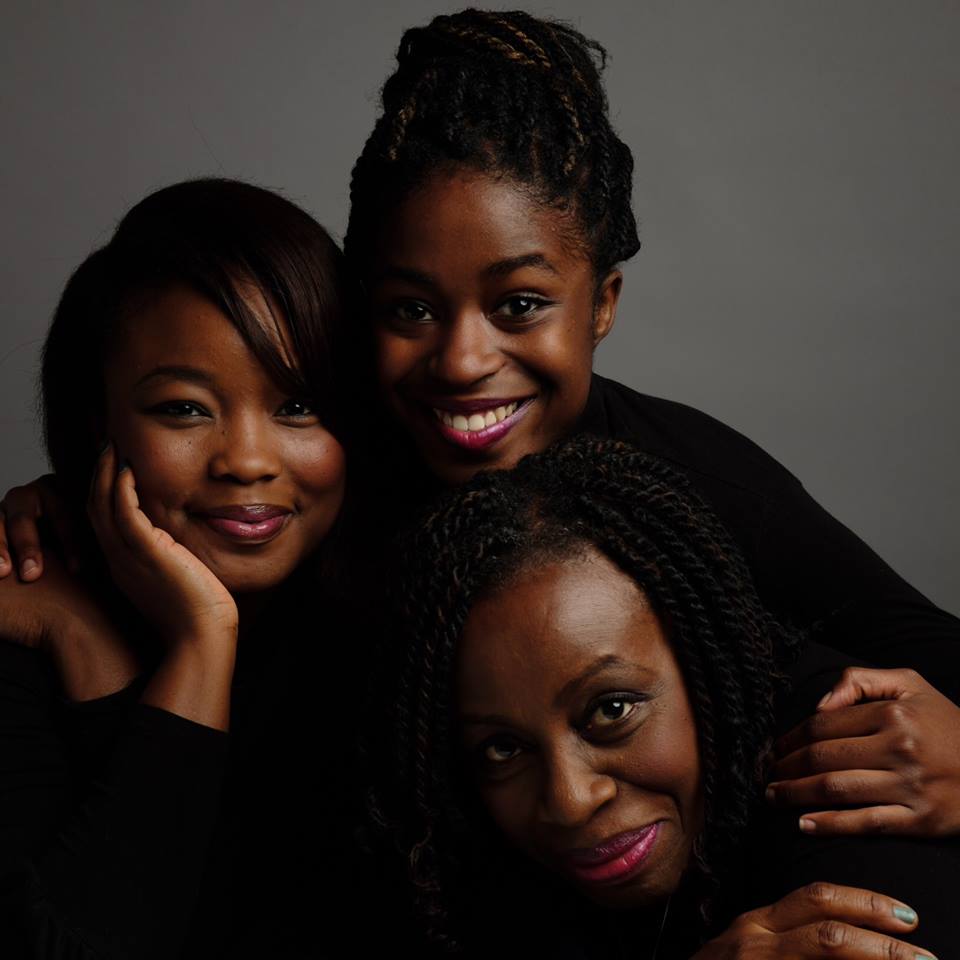
People can find my more recent work on my new poetry blog at; http://morohunfolu.tumblr.com/

P.s. because I know she’s going to read this, I love you mum, for giving me the space and the tools necessary to find and do me.

Still just a baby

Thoughts on turning 21

Vingt-Un Enang

So its my birthday!!! I’ve made my goals for this new year of my life and I’m generally happy with where I am right now. At twenty I really just wanted to push myself and explore more which I feel I did. At twenty-one, I am realizing to a different degree that my possibilities are endless but I won’t get anywhere without trying. I am realizing that there is a lot that I still don’t know and plenty that I have to learn. I’m not as scared of responsibility as I was a year ago but I’m happy to have the support systems that I do. I am acknowledging my weaknesses and building my strengths.

I am excited for the year ahead and hopefully a year from now when I look at myself I would be a significantly better person than I am today.

ps I dropped a hint for my next post just in case you didn’t notice :p

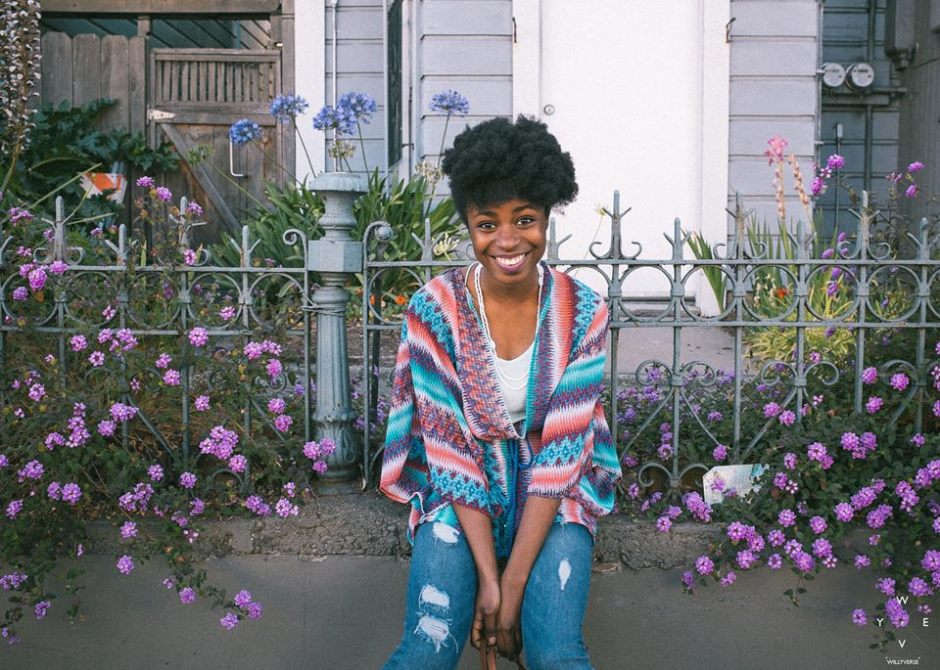
Picture by Willyverse

The Nigerian Woman| Afrolems

Atim Ukoh

Atim Ukoh Begin

Hey Guys!!

This series wouldn’t be complete if I didn’t consider the role that cooking plays in the average Nigerian’s life. Nigerians love their food if nothing else and there is the very vibrantly expressed opinion that every Nigerian woman must know how to cook (-_-). For this post, I spoke to my sister; CEO and creative director of Afrolems. She stays slaying in the kitchen and while I try, real has to recognize real!! I loved reading her post because while we’re sisters, our experiences and perspectives are pretty different plus she made me laugh :P. Anyhow, I trust that you would love reading this just as much as I did!

Who are you ? (What are the things that make up your identity, likes, interests, quirks)

My name is Atim Ukoh. I am in my late 20’s, currently a food blogger and a digital marketing strategist. I like to believe I am generally a lighthearted person even if I end up panicking about a lot of things. I am too stubborn for my own good. In recent times, I have discovered I love travelling and exploring new cultures. I believe in living life to the fullest. I laugh a lot at any thing. Ask my mum. Sometimes I think it’s nervous laughter because hey you might be boring and I am not sure how to fill in the gap of your awkwardness or you just might be genuinely funny. You never know.

What do you feel being a Nigerian woman means?

A Nigerian woman means being very adaptable. Adaptability is generally a trait popularly associated with Nigerians in general. Moving to Canada reinforced this trait in me. As a Nigerian woman who spent 18 years in a tropical country, the Canadian winter was not the easiest situation to adjust to.

The dating scene was also different. In Nigeria, women are used to being chased aggressively, wined and dined even before you truly find out about her. It took a bit of effort to adapt to the Canadian way of dating which involved giving a guy your number and waiting 3-5 business days to get a text saying “hey I still have your number”.

The society has several expectations of you as a Nigerian woman. There are expectations that you would naturally be domesticated, which may not always be the case. In general, there are societal opinions that need to be taken into strong consideration. Now I am personally not a believer of that fact but it doesn’t change the fact that it’s still something to consider. I believe in creatively playing the game and being strategic to get what you want from the society.

What role do you feel food plays in the life of the Nigerian Woman?

Being that I am from Akwa Ibom in Nigeria, there is an additional expectation that I should also be a great cook and it should be a huge part of my DNA. I sometimes believe when Nigerian men see their women, they see a walking pot of soup. There is an expectation that a pot of soup or rice would come out of her being around them for over two hours. I believe food plays a very crucial role in the lives of Nigerian women. Grandmothers and mothers for generations have forced their daughters into the kitchen to learn a thing or two about cooking because they believe the way to a man’s heart is through his stomach.

When did you fall in love with cooking?

I fell in love with cooking when I successfully made my first tasty pot of Indomie noodles. I realized that I could walk into the kitchen, climb on a stool because I was too short to reach the stovetop and stir my way to perfect noodles fit for consumption. It was the best feeling ever.

What are you most proud of regarding your Nigerian identity?

I am proud of the fact that we are a resilient group. Regardless of what life throws at us, we manage to smile through it, adapt and keep moving. I love the richness of the cultures that exist within Nigeria. I love the fact that we have unique traits that differentiates us from other Africans and even sometimes makes them a tad jealous. I love the fact that we are an enterprising group of people. I would not trade my Nigerian identity for the world.

What are your hopes for Nigeria in the coming years?

I would like to see Nigeria truly get its act together. Be a place that people want to visit, become a place that is synonymous with great inventions both in the arts and sciences. I’d like the Nigerian woman to have a stronger voice in the rural communities, as that would reduce the rate of poverty within these communities.

Where can people find you and your work?
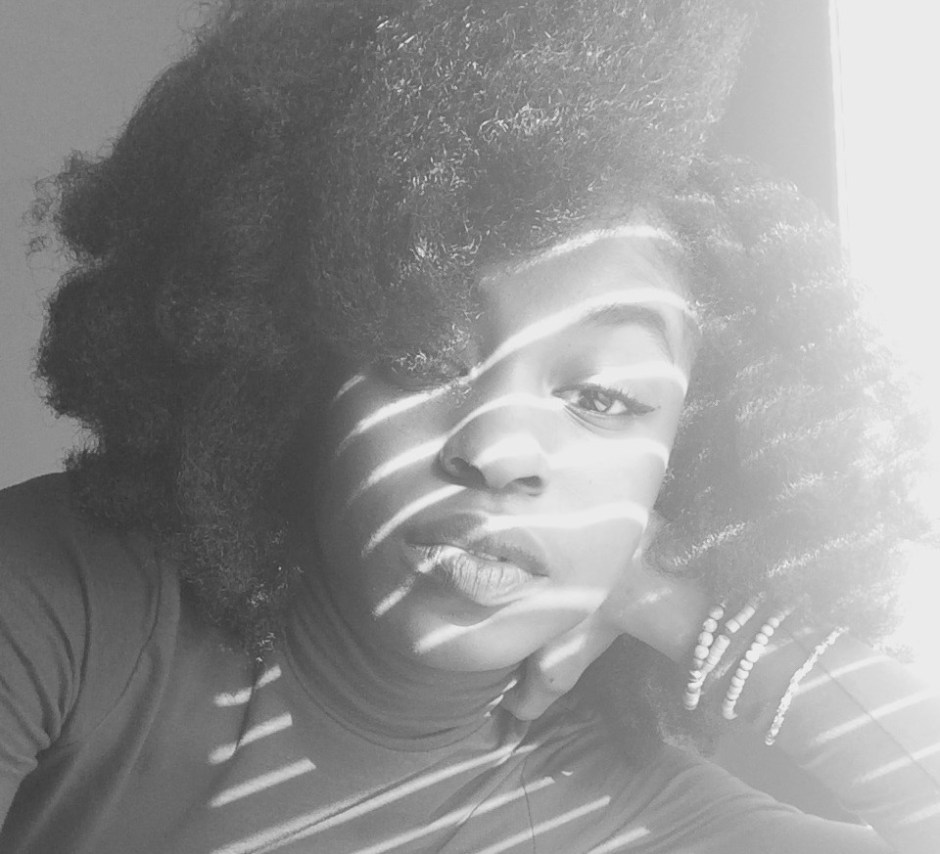
You can find me through my blog Afrolems or on Facebook, Twitter and Instagram @afrolems

Picture by Willyverse

The Nigerian Woman|SSR

Shully Sappire-Rubinstein

Shully T-Sr Begin

Hi Guys!

Firstly, I’m so thrilled at the response to the first post in this series! Thank you so much to everyone who read and commented! Here’s the second piece in the series. I was particularly interested in her story for a few reasons; 1) Shully is smart and awesome and hearing her opinion is always great! 2) Being biracial in Nigeria is a pretty unique experience.

As someone simply observing, being biracial seems to draw so many different reactions; bullying, admiration or indifference and often times all these reactions could come from a single source. Shully pulled me into her thoughts and experiences and I hope you enjoy this as much as I did!

Who are you (What are the things that make up your identity, likes, interests, quirks)

A while ago I read a tumblr post that said “’I’m having a conversation with one of my friends and I ask him, “What defines you?” and he responded with, “Nothing. A definition excludes the possibility for change.” When I think of my identity, I think of that statement because I feel I am constantly negotiating what it is. That being said I will say the things that currently make me “Shully” lol. My names, my Israeli name and my Nigerian name define me. Shulamit means peace and Temitope means “I’ll always have something to be grateful for”. I am not somebody who people typically think of as peaceful and for a long time I was laughed and told I was named wrongly and so I stopped telling people the meaning of my name. It took me a long time to understand the significance of the name and now I can say without any hesitation I was not named in vain. Temitope reminds me to pause and look around, to be thankful and to recognize the little and big things. After that rant lol, other things that define me would be reading,most especially works of African authors, developing my writing craft, my somewhat obsession with cleaning, extreme organization and arrangement. I also need to be early to everything or I freak out internally. And finally being an introvert but also a weird person according to my friends.

 What do you feel being a Nigerian woman means?

I think being a Nigerian woman means different things depending on where you are from in Nigeria. I think it has a lot to do with understanding the history of women in Nigeria, in your family, culture and understanding the relation to you. I think of strength and perseverance when I think of Nigerian women, of survival, of many lives lived. I think we carry a certain level of pride with us, a Nigerian woman is complicated but wonderful lol. I think of the relationships with sisters and aunties, female friends of the community of women and strength of sisterhood whether in churches or markets

What was it like to be bi-racial in Nigeria?

For me this is a complicated question because I often find I had a different experience than most bi-racial kids in Nigeria. I was bullied for most of elementary and middle school for the reason of being bi-racial. I was also extremely religious, like go to church 4 times a week-earlier-than-service-starts-and-leave-2 hours-after-it-ended religious. My sister and I were always the two “oyinbo” children, easily noticeable and always talked about in church. When I was in Nigeria, I found that I always claimed Israel more, my Nigerian-ness needed no explaining although between my sister and I, she was the one that “looked” more Nigerian. My blond hair and green eyes constantly attracted stares and comments

Has your identity as a Nigerian ever been questioned? Why and how did you respond?

I think this is kind of related to what I was saying before about looking less Nigerian than my sister. In that regard, people are always shocked when I say I’m Nigerian and often people ask if I have been there and are surprised when I say I lived there all my life. Then they ask if I can speak pidgin or where I lived in Nigeria. Almost like a standard test to verify my Nigerian-ness. I usually go through the routine with them, answering questions, laughing at surprises. It only thoroughly bothers me when my experience is questioned and dismissed but mostly I am used to interrogations lol.

What is your favorite thing about Nigeria?

It’s the jokes, the comments, the slangs that make you laugh. Being able to see a meme or a comment or a status and be transported back to a time it happened or remember several experiences. Even to show it to another Nigerian and have them share in that with you. To be miles away from home but still the ability to experience a homier you, that is what I love. Food. Strength and laughter in people, families and communities.

What would you change about Nigeria if you had the chance?

I would change the dependence and crutch on churches. I think people in Nigeria are taken advantage of by the churches. There is too much money going in to churches and too little being put back into taking care of the people you see on the way to your church. It needs to change.

Where can people find you and your work?
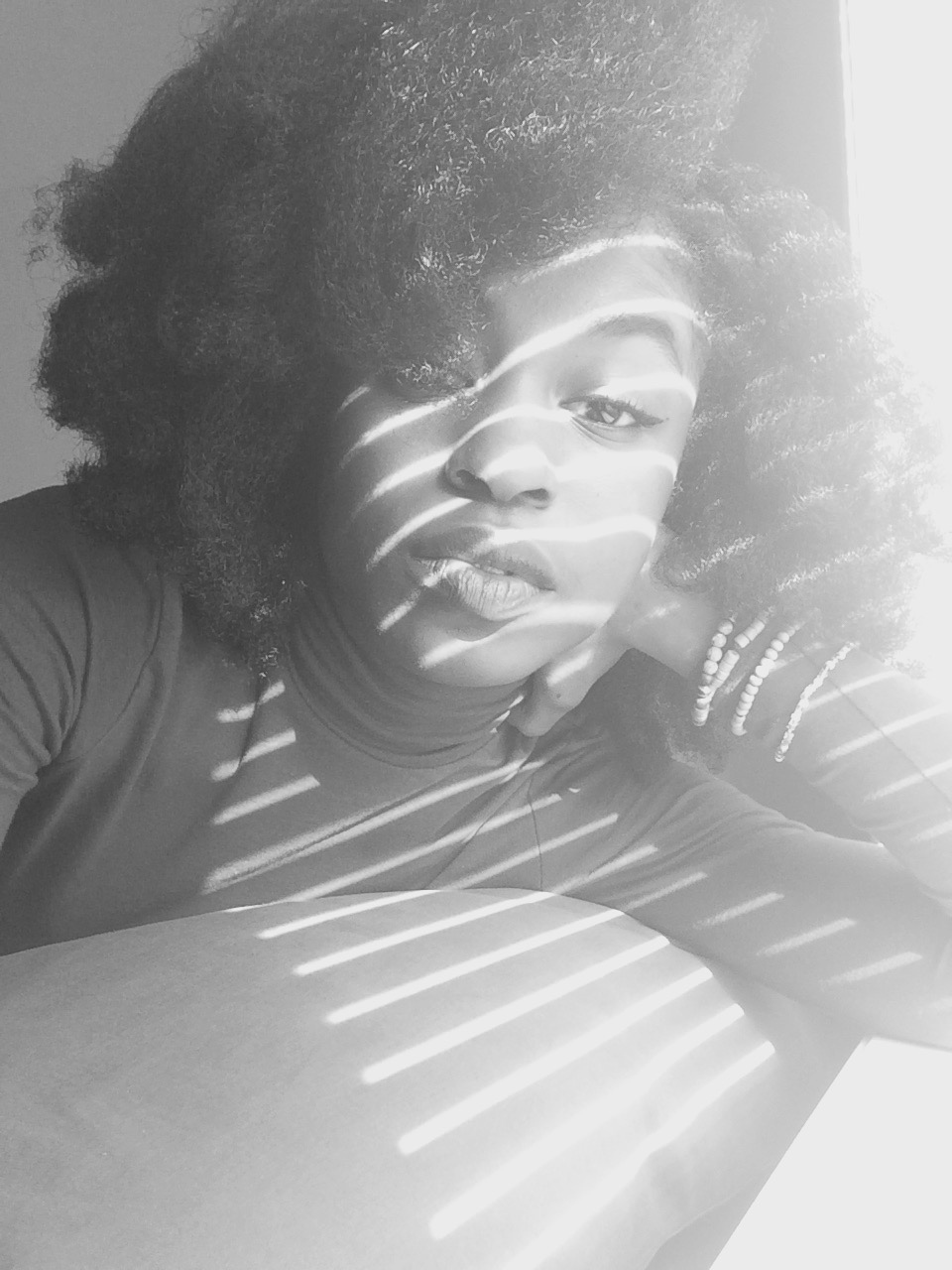
You can find me on tumblr – forshalom is where I post up most of my work. Visit, tell me what you think.

The Nigerian Woman| Then and Now

Iquo Ukoh

Hey guys!

As promised here is the first in my Nigerian woman series. To start off I decided to gain some perspective by asking my mother. She was the perfect go-between as she has the benefit of time and consequently has had a fuller experience than I have of being a Nigerian woman.

Iquo Ukoh-Begin
          Mrs Iquo Ukoh

Who are you? (What are the things that make up your identity, likes, interests, quirks)

A wife , a mother, a career woman and a mentor to many young women.

I am a woman that is driven by excellence and a passion to succeed no matter the odds. Even though I did not study marketing in the University but I have become one of the names in marketing to be reckoned with in Nigeria.

In recent years I have decided to channel my creative passions via food blogging, creating new recipes and educating my followers on healthy lifestyle options.

What do you feel it means to be Nigerian, especially a Nigerian woman?

Nigerians are passionate and expressive people. The determination to succeed is one of the most salient characteristics of the Nigerian people. No wonder many Nigerians stand out wherever they are found around the world. A Nigerian woman no matter her social status  is one that is ready to challenge the status quo and dare to try in a man’s world. Cultural and religious limitations continue to place impediments in her path but the Nigerian woman is finding her way around this. It’s not been easy but a certain level of progress has been made

What changes have you noticed in your perspective as time has gone on?

Whilst my mum’s generation were mainly sit at home mothers, today a lot of mums are economically active one way or the other. The limited opportunity for employment has necessitated that women go out to generate income for their households. More women are heading organizations which heather to were mainly the men’s domain . We see women in previously male dominated professions like engineering and  architecture. I am seeing many more women taking charge of their lives and really challenging dominant ideas regarding their abilities.

What are your hopes for young Nigerian women?

The sky is the limit for young Nigerian women who are ready to work hard to achieve their set goals. The road may not be easy but the opportunities are limitless. The average Nigerian man has not quite shifted in his perception that the woman should be seen and not heard. This stance is more apparent in some cultures than others. However, when I see the giant strides young Nigerian women are achieving today  in areas previously dominated by men, I am hopeful.

Where can people find you?

My blog, 1qfoodplatter

Picture by willyverse

The Nigerian Woman|The Introduction


begin-shift dress

Hey guys!

I know it has been a while since I’ve been on here. I have been working on a small series about Nigerian women. I’m Nigerian, a Christian, working on being a grown woman, a creative with a head of curly hair that isn’t always cooperative and I love a good debate. I lived in Nigeria all my life till I moved to Canada for school. Every now and again when I meet people they ask if I’m Nigerian, you know “really” Nigerian. Sometimes I wonder what that means, what it means to be “really” Nigerian. What validates one person’s nationality over another. More than that, I wonder what it means to be a Nigerian female.

On the one hand being a female in Nigeria presents a host of patriarchal issues. There are more than enough people ready to tell you how you need to look and act and talk, where you can work, what you can be, when you should be married and how you should keep said marriage. With the host of do’s and don’t’s, sometimes we lose sight of how actual Nigerian women see themselves. This is why I decided to do this series; to remind myself and learn a little bit more about what it really means to be a Nigerian woman.

I found a few truly amazing women to share their stories with me and I will share those with you over the course of the next few weeks but before I do I thought I’d ring you in with this little introduction. Hope you enjoy!! 🙂